September 21, 2026
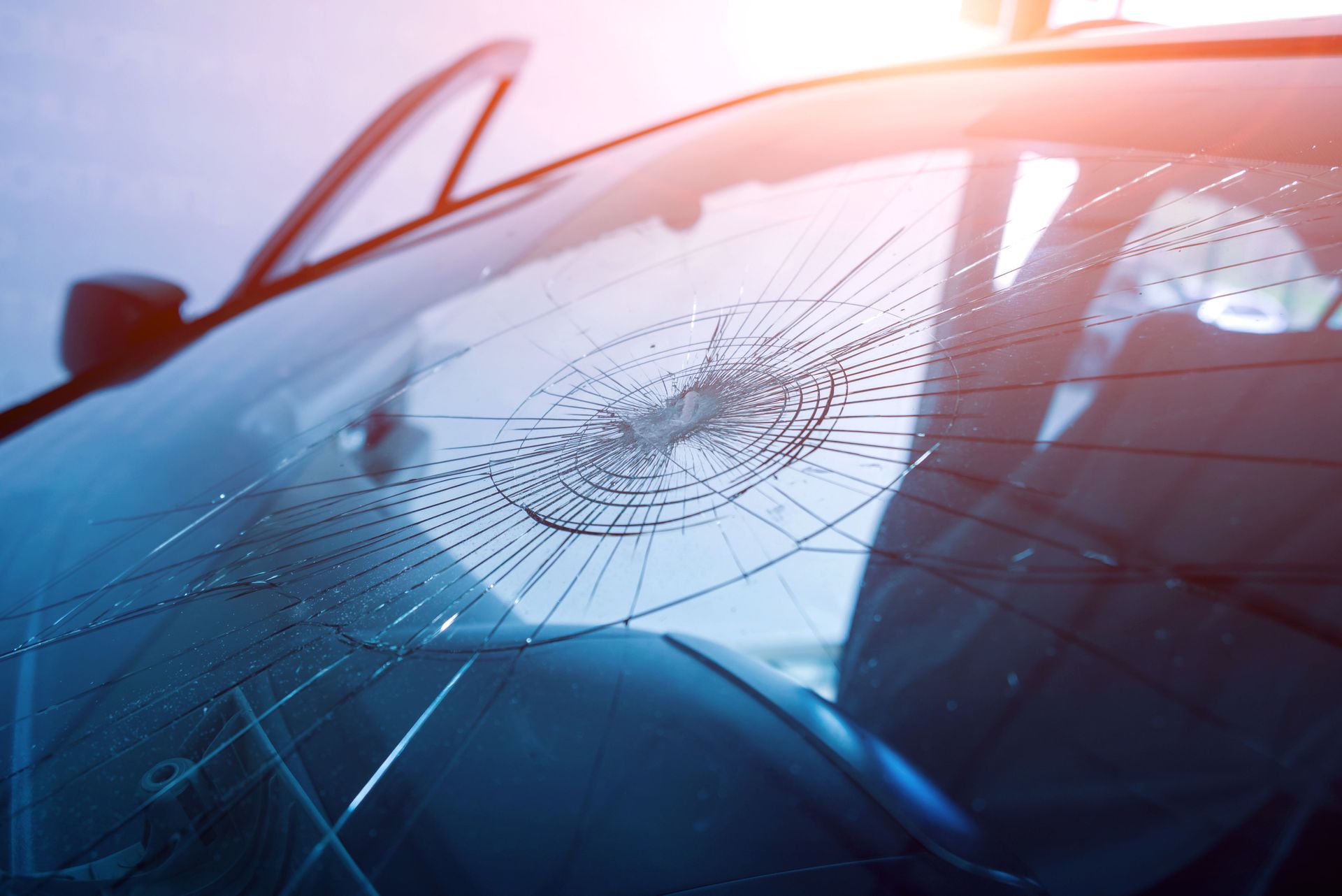
Maintaining the structural integrity of automotive glass remains a vital aspect of vehicle ownership that directly impacts daily driving safety and performance. Standard vehicle glass does far more than shield occupants from wind and debris; it acts as a foundational component of a vehicle's unified safety system. Minor surface chips or hairline cracks might appear harmless at first glance, but subtle road vibrations and daily temperature shifts can quickly transform localized damage into extensive structural compromises. Addressing these minor imperfections immediately helps prevent deep stress fractures from spreading across the entire glass surface.
Promptly scheduling professional auto glass repair stops small chips from turning into extensive windshield cracks while preserving the structural framework of the vehicle. Leaving glass imperfections untreated compromises essential protective features, leaving drivers vulnerable during sudden collisions or severe weather conditions. Professional restoration work addresses underlying vulnerabilities, fortifying the panel against environmental stress and operational strain. By opting for timely care, vehicle owners protect their financial investment and maintain optimal safety standards over many years on the road.
Restore Structural Integrity
Automotive windshields supply a significant portion of a vehicle's overall structural strength, serving as a vital support column during dynamic driving conditions. When glass suffers from cracks or localized impact damage, the structural frame loses a portion of its inherent rigidity. This reduction in stiffness makes the vehicle less resilient against external forces during collisions or emergency maneuvers. Professional restoration techniques reinforce the weakened areas, ensuring the windshield can withstand significant mechanical strain and effectively distribute impact energy across the body of the car during an unexpected accident.
Proper auto glass repair ensures the windshield retains its load-bearing capability to protect vehicle occupants during a rollover. In severe accidents, the windshield provides essential vertical resistance to help prevent roof collapse and maintain cabin safety margins. Beyond supporting the roof, a stable windshield serves as the backing structure for passenger airbag deployment. When an airbag deploys, it strikes the interior glass surface at high speed to position itself correctly; a weakened windshield can shatter or dislodge, diminishing airbag protection.
Prevent Interior Damage
Unaddressed chips and small fractures frequently weaken the outer seals surrounding a vehicle's windshield, creating pathways for environmental moisture to penetrate the cabin. Rainwater or melting snow creeping past damaged seals can collect inside the dash assembly, soaking beneath carpeting and carpet padding. Persistent moisture exposure rapidly damages sensitive electrical harnesses, causes intermittent short circuits, and ruins delicate cabin upholstery. Timely auto glass repair prevents water from leaking into the cabin and damaging sensitive electronic components while keeping interior fabrics dry and pristine.
Trapped moisture inside an enclosed vehicle cabin also creates an ideal breeding ground for mold, mildew, and persistent foul odors. Airborne mold spores negatively affect interior air quality, causing discomfort or respiratory irritation for drivers and passengers alike. Professional technicians utilize specialized sealant compounds that form an airtight barrier, halting water intrusion completely. Preventing leak-related damage preserves passenger health, maintains climate control system performance, and safeguards the vehicle's long-term resale value by keeping internal cabins completely free from hidden decay.
Enhance Visual Clarity
Cracks, pitted glass, and surface chips directly obstruct a driver's sightlines, creating hazardous optical distractions on busy roadways. Damaged glass surface areas disrupt light pass-through, causing incoming headlights, street lamps, and sunlight to refract into disorienting glares. This scattered light leads to severe eye fatigue, slowed reaction times, and reduced situational awareness during nighttime transit or low-sun conditions. Investing in auto glass repair eliminates harsh light refractions and reduces glare during nighttime driving, giving operators an unobstructed view of incoming hazards.
Maintaining a crystal-clear windshield directly improves wiper blade effectiveness during heavy rain, sleet, or snowfall. Chips and uneven glass surfaces cause wiper blades to skip, streak, or wear down prematurely, leaving smears across the primary field of view. Professional repair processes smooth out surface irregularities, allowing wiper blades to sweep water away smoothly and quietly. Clear visibility reduces driving stress, enhances reaction speed, and boosts driver confidence across all weather conditions and driving environments.
Employ Professional Expertise
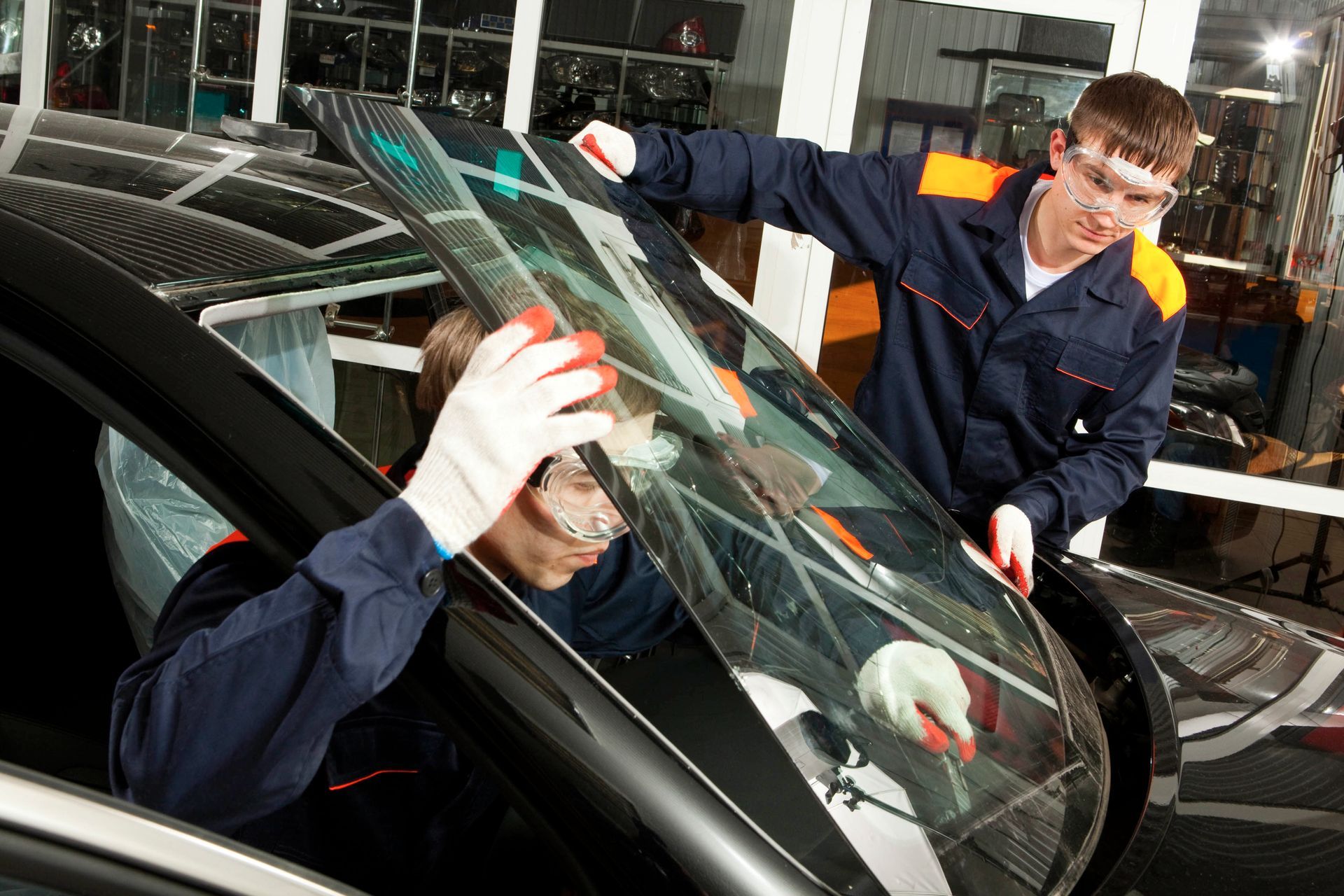
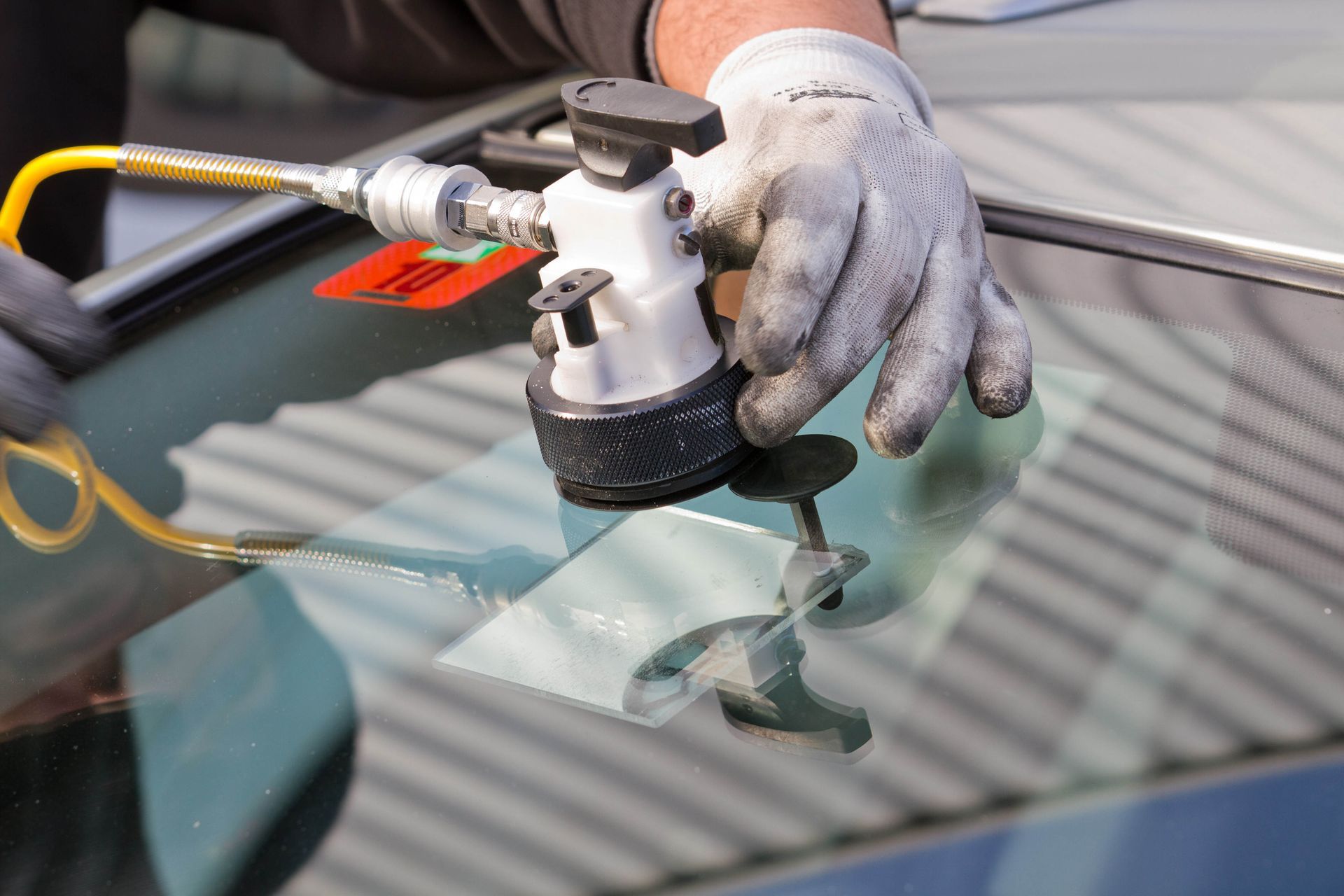
Certified technicians possess specialized training and extensive experience necessary to evaluate glass damage accurately and execute durable repairs. Qualified technicians performing auto glass repair follow strict industry protocols and utilize specialized adhesives to deliver exceptional craftsmanship. Professional technicians assess factors like chip depth, location, and stress patterns to select the exact resin viscosities needed for complete bonding. Proper application procedures guarantee that repaired glass restores original strength standards while maintaining precise optical clarity.
High-grade materials and industry-approved resin formulas ensure that repairs remain clear and structurally sound through thermal expansion and contraction cycles. Professional service providers back their work with solid service guarantees, offering vehicle owners peace of mind against recurring damage. Industry expansion reflects growing consumer appreciation for quality service; according to IBISWorld, the U.S. market for windshield fixing services experienced an average annual growth rate of 3.8% across the five-year timeframe leading up to 2025. Following rigorous safety guidelines ensures that every vehicle receives proper structural protection.
Reduce Future Costs
Addressing minor surface damage promptly represents a highly cost-effective strategy for vehicle owners seeking to minimize routine maintenance expenses. Small chips caused by flying gravel can expand overnight into full-length windshield cracks due to temperature shifts or driving over rough pavement. Full windshield replacements require significantly more labor, materials, and time compared to simple resin fills. Addressing minor damage through auto glass repair helps vehicle owners avoid full replacement costs down the road while keeping maintenance budgets manageable.
Proactive maintenance also delivers subtle financial advantages through improved vehicle aerodynamics and insurance claims management. A properly sealed windshield maintains correct aerodynamic profiles, reducing drag and contributing slightly to overall fuel economy. Promptly filling minor chips prevents larger insurance claims, which helps maintain clean policy histories and keeps comprehensive coverage premiums low. Swift professional service minimizes vehicle downtime, enabling drivers to resume daily activities quickly without costly disruptions or extended rental car expenses.
Promote Environmental Sustainability
Restoring existing vehicle glass plays a key role in reducing industrial waste and promoting sustainable automotive care practices. Manufacturing replacement automotive glass consumes substantial energy, raw materials, and processing resources while generating notable carbon emissions. When cracked windshields are replaced entirely, the discarded glass often ends up in local landfills, where laminated layers decompose very slowly. Choosing auto glass repair instead of total glass replacement reduces landfill waste and conserves resources, making repair a conscious, eco-friendly decision for responsible vehicle owners.
Modern service providers actively implement green operational practices, utilizing eco-friendly resins, non-toxic cleaning solvents, and efficient waste management systems. Many repair facilities coordinate with specialized recycling networks to process discarded glass materials into reusable industrial components. Sourcing high-quality repair materials from responsible manufacturers further limits the overall environmental footprint of vehicle maintenance. By prioritizing glass restoration over unnecessary replacement, vehicle owners actively support environmentally sound business practices and help protect natural ecosystems.
Maintaining healthy vehicle glass remains essential for preserving structural safety, interior comfort, and overall operational efficiency. Promptly addressing minor chips and cracks stops damage progression, secures internal components against water leaks, and enhances clear road visibility in challenging driving conditions. Routine auto glass repair serves as an essential component of comprehensive vehicle maintenance, offering significant long-term protection for both drivers and passengers. Choosing qualified care protects financial investments, maintains optimal vehicle resale value, and contributes to sustainable automotive practices over time.
Investing in expert care ensures that every journey remains safe, comfortable, and worry-free regardless of road conditions. Superior materials, rigorous technical training, and precise restoration techniques keep vehicles performing at their best for years to come. For dependable service and lasting protection on every mile of your journey, contact us today at Senneco Auto Glass to schedule your next service appointment.